
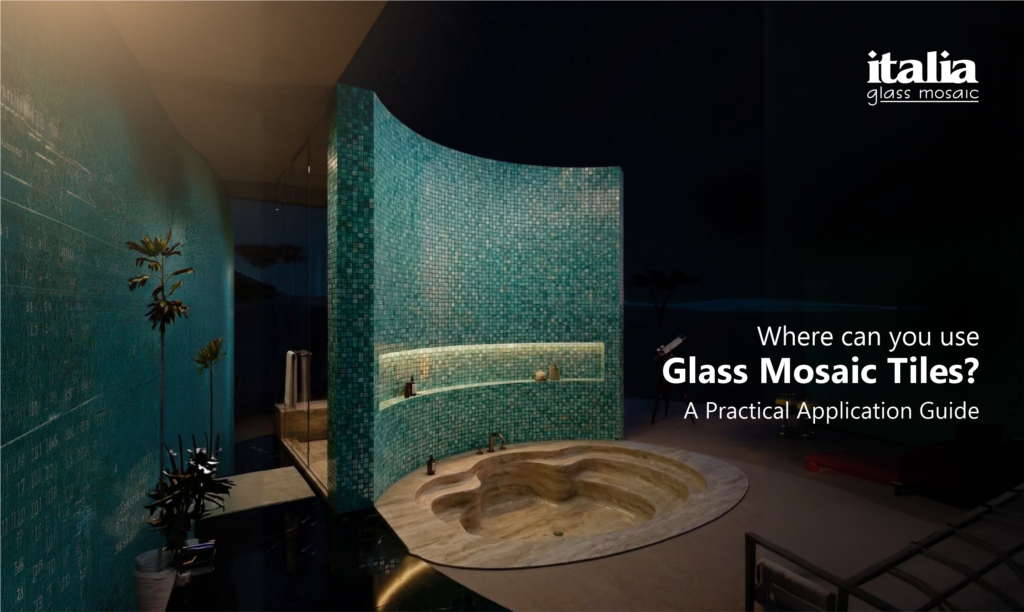
When people first explore glass mosaic tiles, one question usually comes up early – Where exactly can I use them?
Most blogs stop at surface-level answers like bathrooms and kitchens. However, mosaic tiles have a much wider application range when you understand how they perform in real conditions.
This guide breaks it down clearly. It helps you understand where glass mosaic tiles actually work, where they hold up better than other materials, and how to use them smartly across spaces.
What Makes Glass Mosaic Tiles Different in Application?
Before getting into spaces, it helps to understand what makes glass mosaic tiles different.
Glass mosaic tiles come in small formats, usually mounted on sheets. Because of this:
- They adapt easily to curved surfaces
- They offer a better grip due to more grout lines
- They allow detailed design work without complex cutting
- They handle small or irregular spaces more efficiently
As a result, glass mosaic tiles often solve problems that larger tiles cannot.
1. Bathroom Walls and Shower Areas
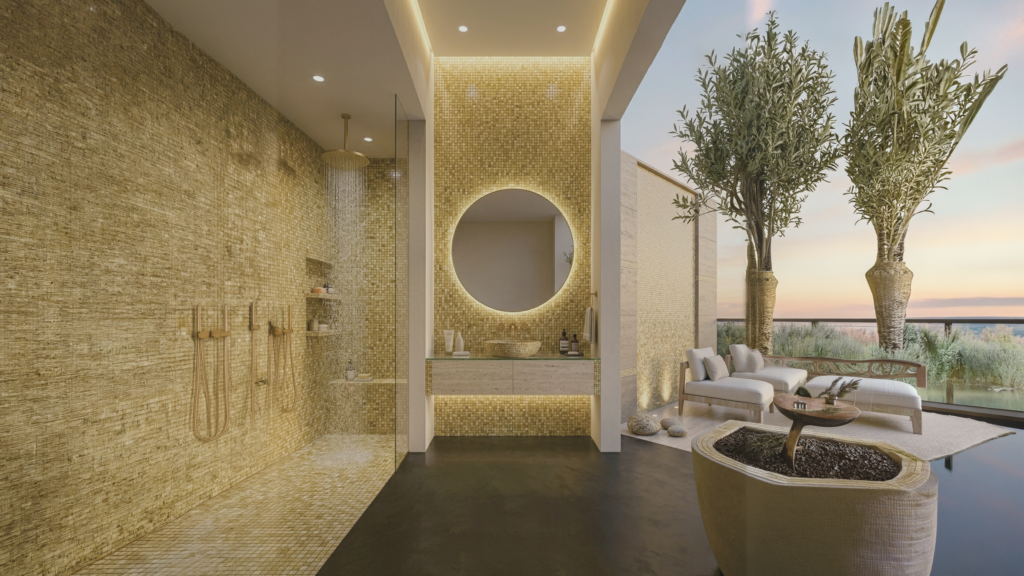
Bathrooms remain one of the most common and practical applications for glass mosaic tiles.
Why glass mosaic tiles work well here:
Firstly, bathrooms involve constant exposure to water. Glass Mosaic wall tiles, especially glass-based ones, handle moisture well.
Secondly, the smaller tile size creates more grout lines. This improves grip under wet conditions, especially in shower zones.
Also, mosaic tiles allow you to create:
- Accent walls behind mirrors
- Highlight bands inside showers
- Full wall coverings in compact bathrooms
In smaller bathrooms, this flexibility becomes very useful. You don’t need large surfaces to create visual impact.
2. Kitchen Backsplashes
Kitchen backsplashes demand materials that are easy to clean and visually appealing.
Why glass mosaic tiles for backsplash make sense here:
Cooking areas face oil splashes, stains, and regular cleaning. Glass mosaic tiles, in particular, offer a smooth surface that doesn’t absorb stains easily.
At the same time, they help break monotony in kitchens dominated by plain tiles or laminates.
You can use mosaic tiles for:
- Full backsplash walls
- Small highlight strips
- Niche areas behind hobs
Since backsplash areas are limited in size, mosaic tiles allow you to introduce colour without increasing the overall cost.

3. Swimming Pools and Water Features

This is where glass mosaic tiles for a swimming pool move from decorative to functional.
Why glass mosaic tiles perform well in water environments:
Water bodies require materials that can handle continuous exposure to moisture, chemicals, and temperature changes.
Glass mosaic tiles for the swimming pool offer:
- Low water absorption
- Strong colour retention underwater
- Flexibility for curved pool surfaces
Because of their small size, they fit well along pool curves and steps. Larger tiles often struggle in such areas.
Common applications include:
- Swimming pool interiors
- Spa zones
- Water fountains
- Jacuzzi surfaces
This is one area where glass mosaic tiles are often a better choice than standard tiles.
4. Feature Walls in Living Spaces
While glass mosaic tiles often get associated with wet areas, they also work well in dry spaces when used thoughtfully.
Where they fit in living areas:
Instead of covering entire walls, glass mosaic tiles work best as accents.
You can use them for:
- TV unit back panels
- Entryway highlights
- Niche walls or columns
Because of their texture and colour variation, they add depth without needing additional décor.
However, balance is important. Overuse can make spaces feel busy. Small, controlled areas work better.

5. Commercial Spaces and High-Use Areas
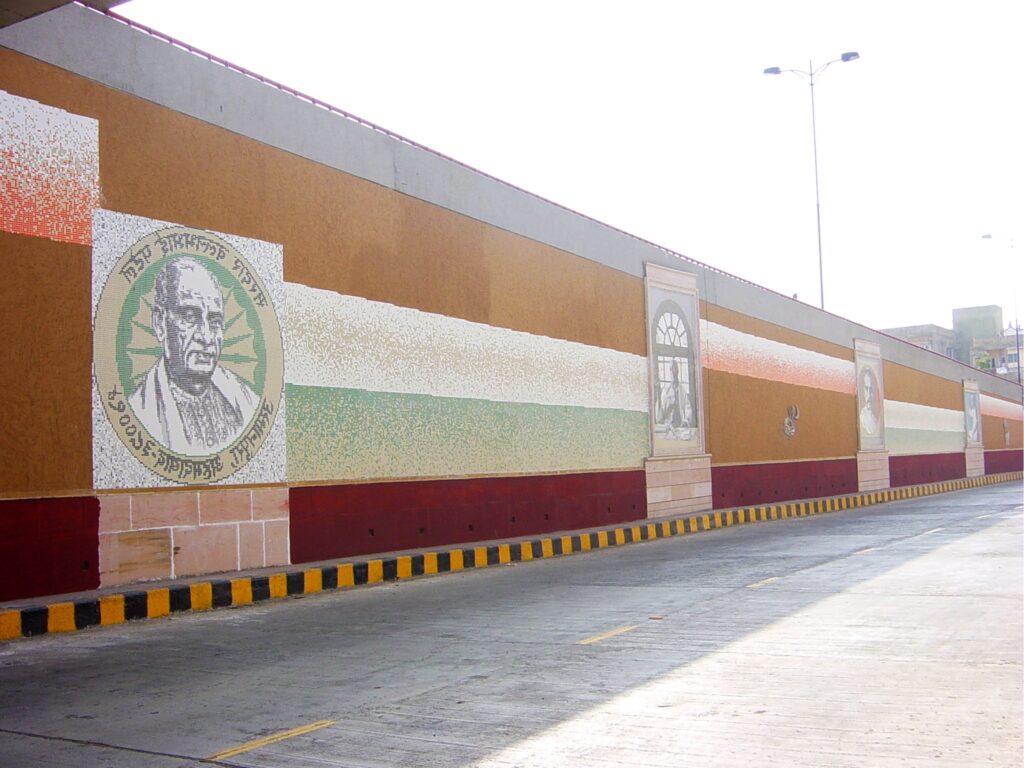
Glass mosaic tiles are not limited to homes. They often appear in commercial environments where durability and easy maintenance matter.
Common commercial applications:
- Hotel bathrooms
- Spa and wellness centres
- Restaurant feature walls
- Reception counters
- Public places
These spaces require materials that can handle frequent use. At the same time, they need to maintain visual appeal over time.
Mosaic tiles offer both function and surface interest.
6. Small or Difficult Spaces
This is often overlooked, yet it is one of the strongest use cases.
Glass mosaic tiles work exceptionally well in:
- Corners
- Curved walls
- Columns
- Narrow partitions
Larger tiles require cutting and adjustments in such areas. This increases wastage and installation time.
Glass mosaic tiles, on the other hand, adapt easily because of their sheet format.
As a result, installation becomes smoother and more efficient.

Where Italia Glass Mosaics Fits Into These Applications
When you look at practical applications, product specifications start to matter.
Italia Glass mosaics are designed for accessible use across these spaces.
Key details that support application flexibility:
- The 2×2 cm size allows better adaptability
- 4 mm thickness keeps installation manageable
- 30×30 cm sheets improve handling on-site
- 150+ colour options support both subtle and bold designs
The range includes:
- Vitro Mist Effect
- Prism Rainbow Effect
- Lava Robust Effect
- Marbo Pastel Effect
- Tiara Twinkling Effect
Because of this variety, you can use Italia Glass mosaics in bathrooms, kitchens, pools, and even feature walls without needing different materials for each space.
Also, options like Blend, Gradation, Decoration, and Mural allow flexibility in design without increasing complexity.
The idea remains simple: keep design accessible while maintaining quality.
Common Mistakes to Avoid When Using Glass Mosaic Tiles
Even though glass mosaic tiles are versatile, a few mistakes can reduce their effectiveness.
1. Overusing them in large areas
Too many patterns can feel overwhelming. Use them in controlled sections.
2. Ignoring grout selection
Grout colour affects the final look significantly. It needs careful selection.
3. Using them without purpose
Glass mosaic tiles work best when they highlight or solve something. Random usage doesn’t create impact.
4. Choosing the wrong finish for wet areas
Not all finishes work the same way. Always check suitability for the application.
Conclusion
Glass mosaic tiles are often seen as a decorative choice. In reality, they are a functional solution for specific spaces.
They work best where:
- Surfaces are small or detailed
- Water exposure is high
- Flexibility in design is needed
When used thoughtfully, they can improve both performance and appearance without increasing complexity.
FAQs
1. Can mosaic tiles be used on floors?
Yes, especially in bathrooms and wet areas. Their small size provides a better grip due to more grout lines.
2. Are mosaic tiles suitable for small homes?
Yes. In fact, they work well in compact spaces because they don’t require large surfaces to create impact.
3. Can I use mosaic tiles only for decoration?
You can, but they also serve functional purposes, especially in wet areas and curved surfaces.
4. Do mosaic tiles require high maintenance?
Not necessarily. Glass mosaic tiles are easy to clean, though grout lines need periodic attention.
5. Where should mosaic tiles be avoided?
Avoid using them across very large walls without breaks. This can make the space feel visually cluttered.